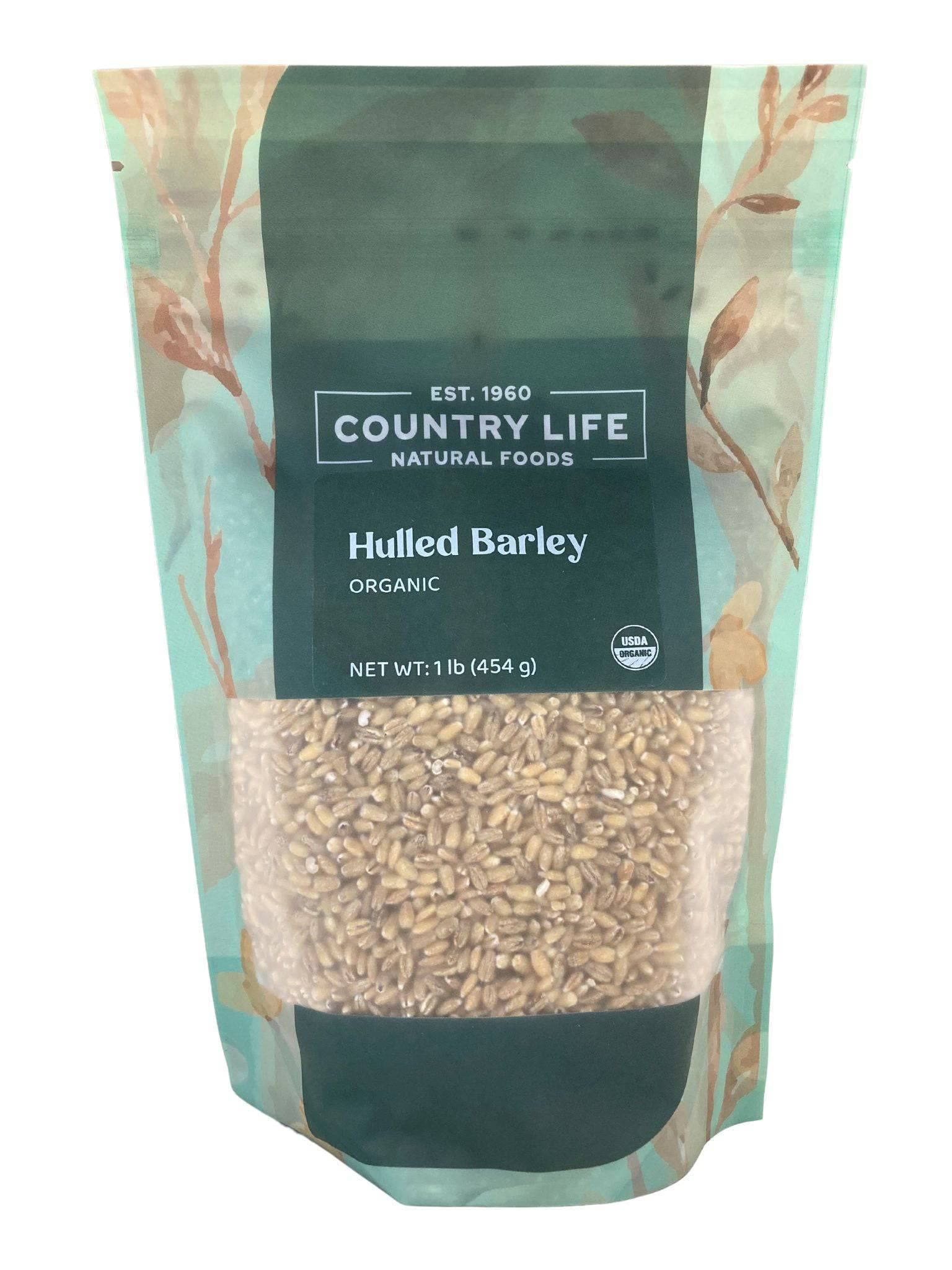
At a glance
Tastes: Nutty and gently sweet, with a malty note.
Best for
- Soups and stews
- Pilaf
- Breakfast porridge
- Muffins
- Flatbreads
About barley
Hulled barley has only its tough outer hull removed, so the bran stays on. It is chewier and more nutritious than pearled barley, which is polished down.
Barley flour is low in gluten and adds a sweet, malty note to baking.
How to use it
Use a portion in baking
Replace up to a quarter of the wheat flour with barley flour in breads and muffins. More than that and the bake turns dense.
Cooking the whole berries
Simmer 1 cup hulled barley in 3 cups water or broth for 50 to 60 minutes, until tender. Soaking overnight shortens the time.
Barley recipes
Recipes for barley are on the way. In the meantime, ask us in the store what we have been baking with it.
In the store
- Barley, Hulled, Organic$5.00/lb
Why fresh-milled
The whole grain, nothing taken out
A wheat berry has three parts: the bran, the germ and the starchy endosperm. White flour is milled to keep only the endosperm. Fresh-milled flour keeps all three, with the fiber, vitamins and oils that come with them.
Flavor you can taste
The oils in the germ carry much of a grain's flavor and begin to fade once it is milled. Many bakers find flour used soon after milling tastes sweeter and nuttier.
Berries keep, flour does not
Whole berries stored dry and sealed keep for years. Fresh flour is best used within a few days at room temperature, or kept in the fridge or freezer for a few months.
Our grains come from Grand Teton Ancient Grains, a family farm and mill in Teton, Idaho. They grow certified organic, use no herbicides or pesticides on their crops, and test their grains to make sure they are free of glyphosate.