At a glance
Tastes: Buttery and sweet, with a firm bite when cooked whole.
Best for
- Fresh pasta
- Bread
- Grain bowls
- Pilaf
About khorasan
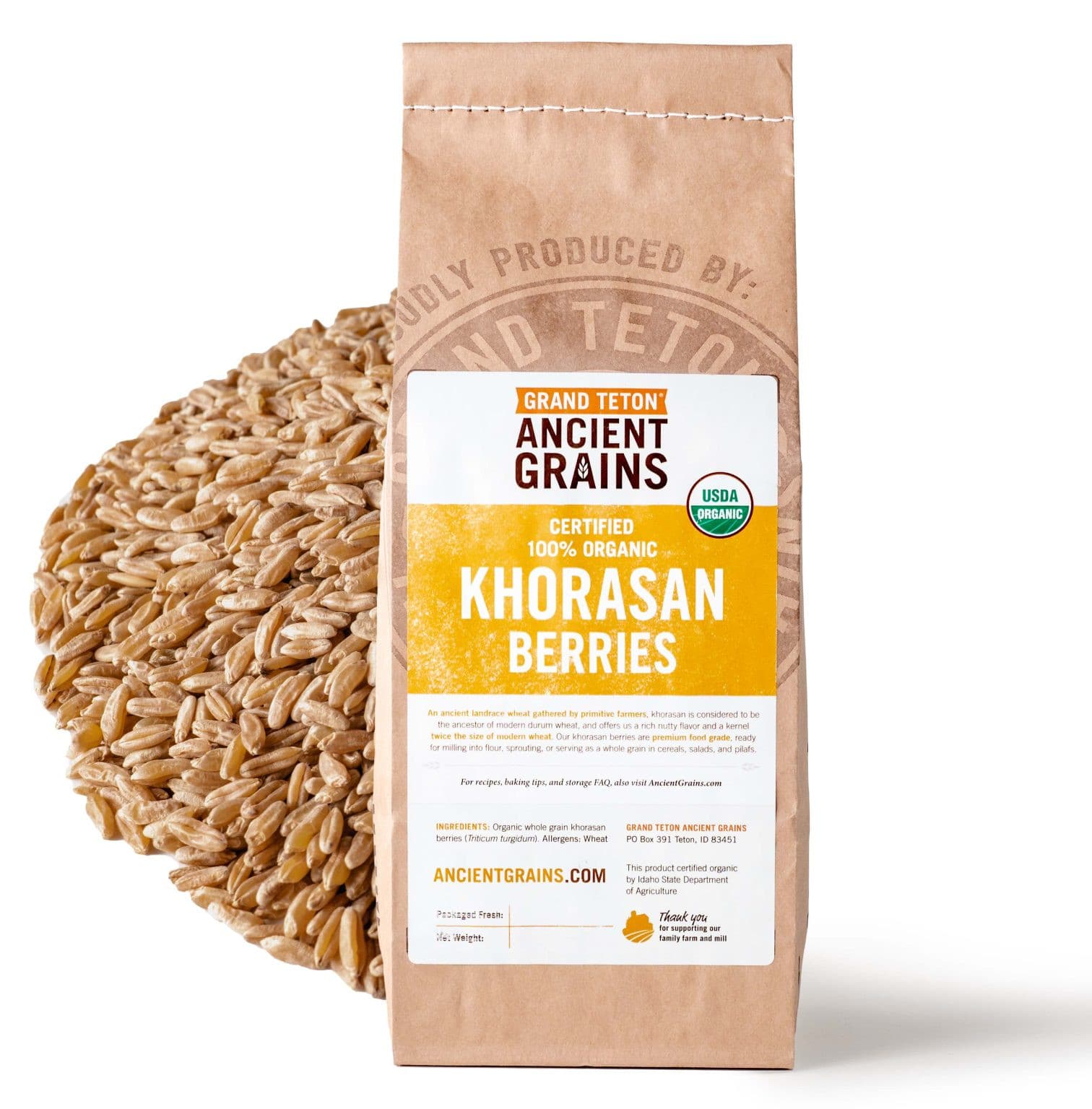
Khorasan is an ancient wheat with kernels about twice the size of modern wheat. Its golden flour makes excellent pasta and a tender, flavorful bread.
How to use it
Made for pasta
Khorasan's protein and golden color suit egg pasta. Use it in place of semolina or all purpose flour.
Rest the dough
Like other whole grains, it absorbs water slowly. Let bread dough rest before deciding to add flour.
Cooking the whole berries
Soak 1 cup berries overnight, then simmer in 3 cups water for 45 to 60 minutes, until tender.
Khorasan recipes
Recipes for khorasan are on the way. In the meantime, ask us in the store what we have been baking with it.
In the store
- Organic Khorasan Wheat Berries$3.34/lb
- Khorasan - 50 lbs$130.00
- Khorasan - 25 lbs$70.00
Why fresh-milled
The whole grain, nothing taken out
A wheat berry has three parts: the bran, the germ and the starchy endosperm. White flour is milled to keep only the endosperm. Fresh-milled flour keeps all three, with the fiber, vitamins and oils that come with them.
Flavor you can taste
The oils in the germ carry much of a grain's flavor and begin to fade once it is milled. Many bakers find flour used soon after milling tastes sweeter and nuttier.
Berries keep, flour does not
Whole berries stored dry and sealed keep for years. Fresh flour is best used within a few days at room temperature, or kept in the fridge or freezer for a few months.
Our grains come from Grand Teton Ancient Grains, a family farm and mill in Teton, Idaho. They grow certified organic, use no herbicides or pesticides on their crops, and test their grains to make sure they are free of glyphosate.